
Most people know their credit score. Far fewer know what it actually means.
A score of 680 might sound good, while a score of 620 might seem concerning. But without understanding the credit score range, those numbers provide very little context. The real question is not only whether your score is high or low, but what that range usually signals to lenders, landlords, and financial institutions.
That context matters because credit scores can affect loan approvals, mortgage eligibility, credit card terms, and rental applications. A few points may not seem important, but crossing from one score category into another can change how lenders and financial institutions view your financial profile.
In this guide, you’ll learn what the credit score range is, how each category works, what counts as a good score, and why credit scores are important but not always enough to measure someone’s full financial health.
Key Takeaways
- A good credit score can improve borrowing options, but it does not guarantee approval on its own.
- Most credit scores fall within a range of 300 to 850, and even small changes in score can affect financial opportunities.
- Payment history and credit utilisation have the biggest impact on where you fall within a credit score range.
- Affordability concerns, existing debt obligations, or unstable income can still limit opportunities for people with high credit scores.
- Understanding your credit score range helps you make smarter decisions before applying for loans, mortgages, credit cards, or rental housing.
What Is the Credit Score Range?
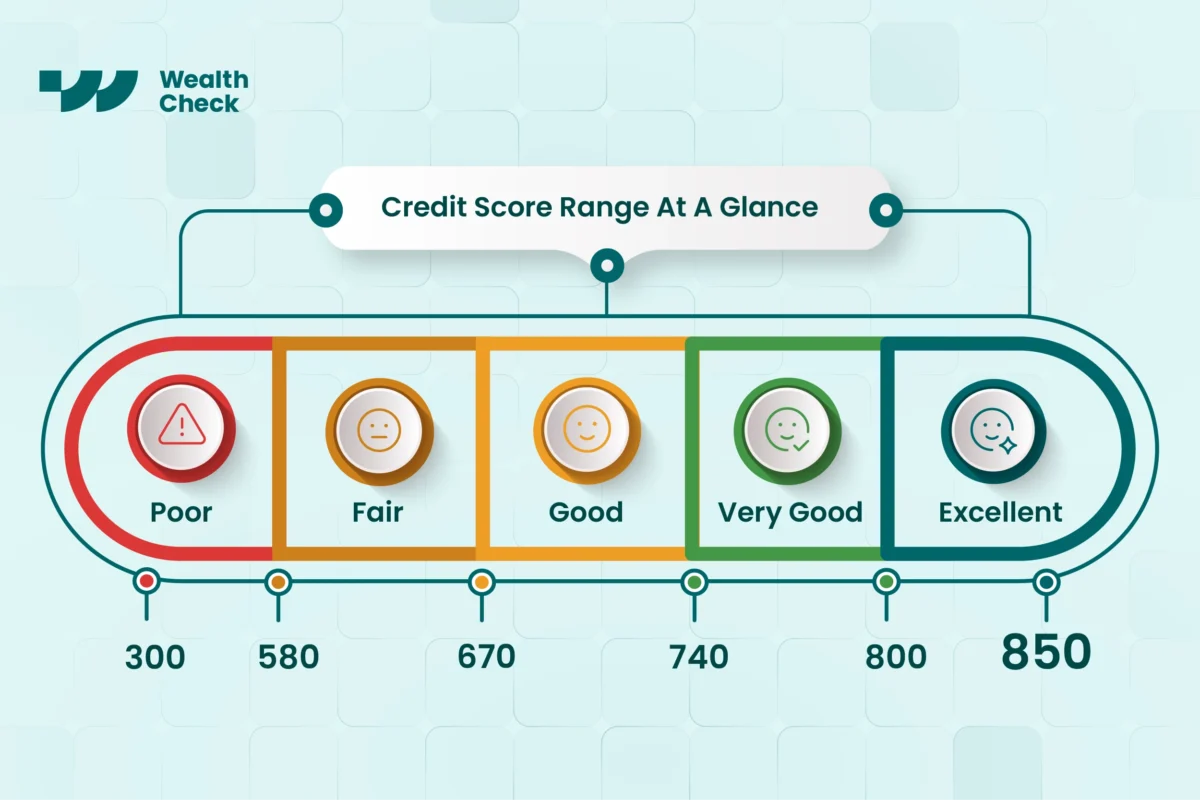
The standard credit score range is usually 300 to 850. A higher score generally signals lower credit risk, while a lower score suggests a lender may see more risk in approving credit.
When people ask, “What is the credit score range?”, they usually want to know whether their score counts as poor, fair, good, very good, or excellent. Most common scoring models use a range like this:
| Credit Score Range | Category |
| 300 to 579 | Poor |
| 580 to 669 | Fair |
| 670 to 739 | Good |
| 740 to 799 | Very Good |
| 800 to 850 | Excellent |
These categories help lenders, landlords, and financial institutions quickly understand how someone has managed credit in the past. They do not tell the whole story, but they give decision makers a useful starting point.
A credit score range does not work like a pass-or-fail grade. A score of 669 and a score of 670 sit close together, but one may fall into Fair while the other moves into Good. That small difference can affect how an application gets reviewed, especially when a lender uses strict score thresholds.
Why Does Your Credit Score Range Matter?
Your credit score range matters because it can influence both access and cost. A stronger score can help you qualify for more products, better rates, higher credit limits, and more flexible terms. A weaker score may limit your options or make borrowing more expensive.
Credit scores can affect:
- Loan approvals
- Mortgage eligibility
- Credit card offers
- Auto financing
- Interest rates
- Credit limits
- Housing applications
- Some insurance pricing decisions, depending on location
Credit information may also be considered during tenant or rental screening, although landlords and property managers usually consider other factors as well. A credit score can help them understand payment patterns, but it should not replace a broader review of income, affordability, and rental risk.
This is why the credit score range matters beyond the number itself. It influences how others interpret your financial reliability.
Where Does Your Credit Score Fall?
Once you know the credit score range, the next step is to understand where your score falls and what that position typically means.
| Score Category | What It Usually Means |
| Poor | Lenders may see significant risk and may require higher rates, deposits, or stronger supporting information. |
| Fair | You may qualify for some products, but the terms may not be ideal. |
| Good | Many mainstream lenders may view your profile positively. |
| Very Good | You may qualify for better rates and more competitive offers. |
| Excellent | You usually present a strong borrower profile and may access premium terms. |
This table gives a general guide, not a guaranteed outcome. Lenders may use different scoring models, risk rules, and approval criteria. Two people with the same score may receive different decisions if their income, debts, job stability, or recent financial behaviour differ.
Credit Score Categories Explained
Knowing the overall credit score range is only the first step. To understand what a score may mean in practice, it helps to look at the categories lenders commonly use when evaluating credit applications.
Each category reflects a different level of perceived risk and may influence access to credit, borrowing costs, and approval decisions.
Poor Credit Score (300 to 579)
A poor credit score usually signals missed payments, high debt levels, defaults, collections, bankruptcy, or limited positive credit history. People in this range may still be approved for credit, but lenders often charge higher interest rates or require stronger safeguards.
A poor score does not mean someone can never improve. It means the current credit file shows risk. The most important steps usually involve paying accounts on time, reducing balances, resolving past due accounts, and avoiding new credit applications unless necessary.
Fair Credit Score (580 to 669)
A fair credit score shows a mixed credit profile. The person may have a positive history but also recent missed payments, high credit utilization, a short credit history, or too many new applications.
Borrowers in this range may qualify for credit, but they may not receive the best terms. A few careful changes can make a difference here. Paying on time, reducing card balances, and keeping older accounts in good standing can help someone move closer to the Good range.
Good Credit Score (670 to 739)
A good credit score usually suggests that someone manages credit responsibly. Many lenders view this range as acceptable for mainstream credit products.
This does not guarantee approval, but it usually improves the odds. A person with a good score may qualify for personal loans, credit cards, auto financing, and some mortgage products, depending on income and other requirements.
A good score often represents the point at which borrowers move from limited access to broader financial choice.
Very Good Credit Score (740 to 799)
A very good credit score signals strong credit management. People in this range often have a solid payment history, moderate credit utilization, and a longer record of responsible borrowing.
This range can help borrowers qualify for better interest rates and more competitive offers. It can also give lenders more confidence when reviewing larger commitments, such as mortgages or high-value financing.
Excellent Credit Score (800 to 850)
An excellent credit score reflects a strong credit profile. People in this range typically pay on time, keep balances low, manage different types of credit responsibly, and avoid excessive new applications.
For anyone wondering what is the highest credit score, most common scoring models top out at 850. Still, even an excellent score does not eliminate all approval requirements. Lenders may still review income, debt, employment, and affordability before making a final decision.
What Is Considered a Good Credit Score?
Many consumers focus on reaching a specific number, but lenders usually think in ranges rather than exact scores.
A good credit score usually starts around 670 on a 300 to 850 scale. Scores from 670 to 739 often fall into the Good category, while scores from 740 to 799 are Very Good, and scores from 800 or above are Excellent.
The Average Credit Score Today
The average FICO Score in the United States was 713 in 2025, according to Experian data. This means the average American consumer already falls within the Good credit score range, not the Excellent range.
This matters because many people assume that a score must be above 800 to be considered strong. In reality, a score in the low 700s can already support many borrowing opportunities. The practical question is not only, “Is my score perfect?” It is, “Does my score place me in a range that supports the financial decision I want to make?”
What Most Lenders Look For
Most lenders want to see a score that suggests consistent repayment behaviour. A score above 670 often helps, but lenders rarely use the credit score alone.
They may also look at:
- Income stability
- Debt-to-income ratio
- Existing financial obligations
- Recent missed payments
- Employment situation
- Loan size
- Deposit or down payment
- Overall affordability
This is where modern financial assessment starts to move beyond traditional credit scoring. Platforms such as WealthCheck help organizations consider income documents, bank data, payment behaviour, and affordability signals together. That broader view can help decision makers understand whether someone can realistically manage a financial commitment, not just whether their credit score looks acceptable.
How Credit Score Ranges Affect Financial Opportunities
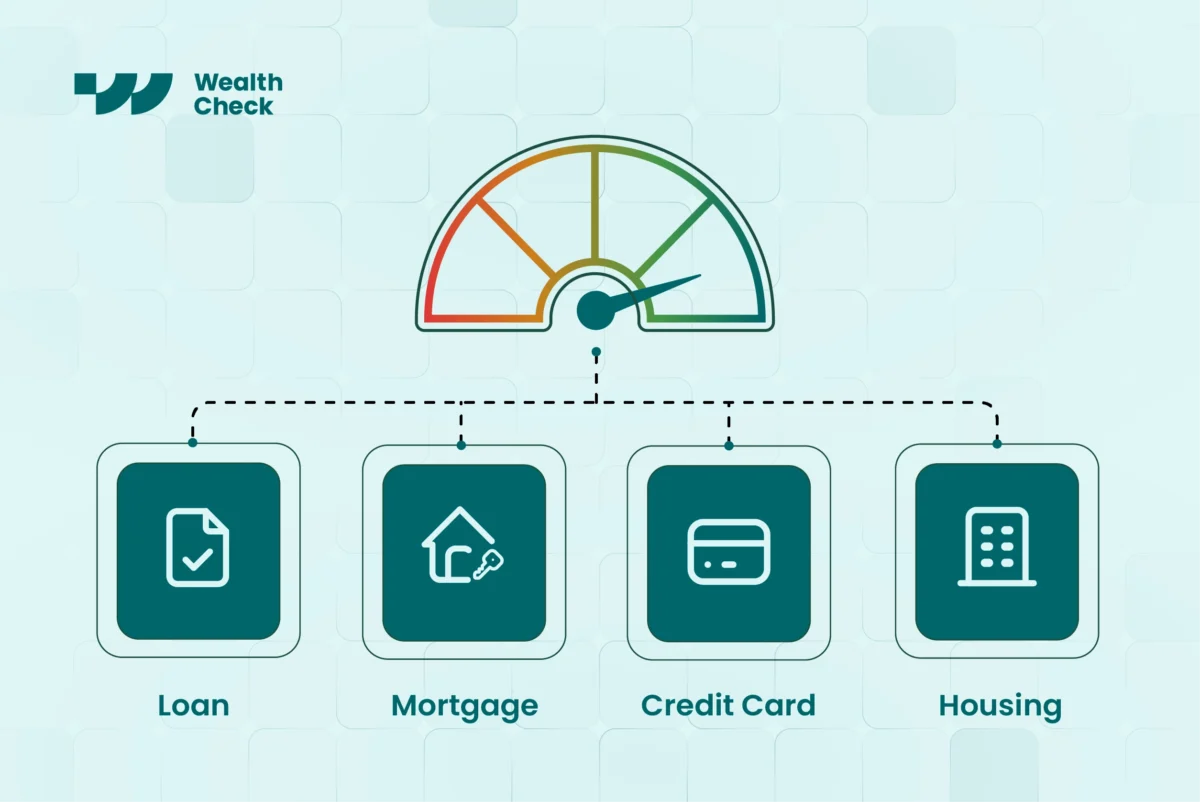
Credit score ranges affect real financial outcomes. They can influence whether someone receives approval, how much they can borrow, and what they pay over time.
Loans and Personal Credit
For personal loans, a stronger credit score range can improve approval chances and reduce borrowing costs. A lower range may still qualify, but lenders may charge higher interest rates or require additional proof of financial stability.
Mortgages
Mortgage lenders usually review credit scores alongside income, debt, down payment, assets, and employment history. A higher score can help borrowers qualify for better mortgage rates. The CFPB also explains that higher scores can make it easier to qualify for loans and lower interest rates.
This is one reason small score improvements can matter before a mortgage application. Moving from Fair to Good may help more than chasing a perfect score.
Credit Cards
Credit card issuers use credit score ranges to evaluate risk, assign credit limits, and determine interest rates. A good or very good score may open access to stronger rewards cards, lower APR offers, and higher limits.
Lower scores may lead to secured cards, smaller limits, or higher rates. These products can still help rebuild credit if the borrower pays on time and keeps balances low.
Housing Applications
In many industries, organizations also use Document Verification to validate identity information and reduce the risk of fraudulent applications before making financial or housing decisions. A landlord or property manager may want to understand whether an applicant pays obligations on time, carries heavy debt, or has had recent collections.
For housing decisions, credit data works best when it supports a broader affordability picture. The score can show past credit behaviour, while income and payment data can help explain whether the applicant can manage rent going forward.
What Factors Affect Your Credit Score Range?
Several factors determine where you fall within the credit score range. FICO groups credit score inputs into five major categories: payment history, amounts owed, length of credit history, new credit, and credit mix.
Payment History
Payment history usually has the biggest impact. Late payments, missed payments, defaults, and collections can quickly lower a score. Consistent on-time payments help build trust over time.
Organizations that need a deeper view may also use a payment behaviour check to identify patterns beyond a simple score, especially when evaluating repayment reliability.
Credit Utilization
Credit utilization measures how much of the available revolving credit someone uses. For example, if a person has a $10,000 credit limit and carries a $5,000 balance, the utilization rate is 50%.
Lower utilization usually helps. High utilization can signal financial pressure, even when payments remain current.
Length of Credit History
A longer credit history gives scoring models more information. Older accounts, long-standing repayment patterns, and stable credit use can support a stronger score.
People with short histories may have lower scores simply because lenders and scoring models have less data to review.
Credit Mix
Credit mix refers to different types of credit, such as credit cards, auto loans, student loans, and mortgages. A healthy mix can help, but no one should take on unnecessary debt just to improve this category.
New Credit Applications
New applications can create hard inquiries. One or two inquiries may have a limited effect, but many applications in a short period can suggest risk. This can lower a score temporarily.
How to Improve Your Credit Score
Improving your credit score usually comes down to consistent habits. You do not need complicated tactics. You need actions that scoring models and lenders both value.
Pay Bills On Time
On-time payments matter most. Set reminders, automate minimum payments, or align due dates with your pay schedule. Even one late payment can affect your score.
Lower Credit Utilization
Paying down revolving balances can help your credit score, especially if your credit utilization is high. Many people see improvement when they reduce their credit card balances and avoid carrying large amounts of revolving debt.
Review Your Credit Reports
Check your credit reports for errors, old accounts, incorrect balances, and unfamiliar activity. If you find a mistake, dispute it with the credit bureau.
Avoid Unnecessary Credit Applications
Apply for credit when you need it, not repeatedly out of curiosity. Too many applications can create avoidable score pressure.
Build Positive Credit Habits Over Time
Credit improvement takes time, but it compounds. Paying on time, keeping balances low, and maintaining stable accounts can move you into a stronger credit score range.
FICO Score vs VantageScore: Why Your Score May Vary
You may see different credit scores in different places because companies use different scoring models. FICO Score and VantageScore both evaluate credit risk, but they do not weigh every factor equally.
Different credit bureaus may also hold slightly different information. One lender may pull from Experian, another may use Equifax or TransUnion, and a credit monitoring app may show a different model from the one a lender uses.
So if you ask, “What is the credit score range?” the answer may depend on the scoring model. Many common models use 300 to 850, but not every score works the same way. Focus on the range, the trend, and the underlying habits behind the score.
Is Credit Score Enough to Measure Creditworthiness?
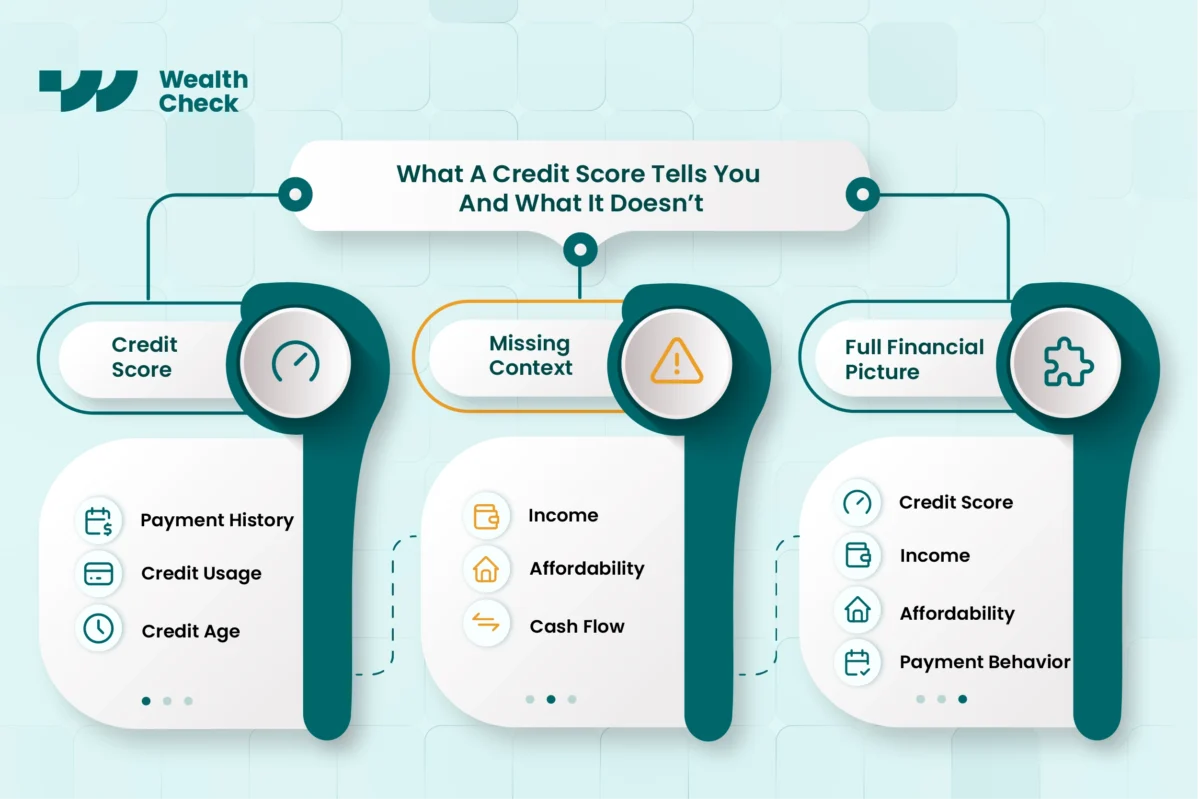
Credit scores matter, but they do not fully measure creditworthiness. A credit score summarises credit history. It does not always show current income, rent burden, cash flow, savings, or recent financial stress.
What Credit Scores Measure Well
Credit scores can show how someone has managed credit obligations. They help lenders estimate risk based on repayment history, debt usage, account age, and credit activity.
A credit score summarises credit risk based on credit data. It does not claim to measure the entire financial life of a person.
What Credit Scores Often Miss
Credit scores can miss important context, such as:
- A recent income increase
- A sudden job loss
- High rent or alimony obligations
- Overdraft usage
- Stable income with limited credit history
- Strong cash flow but thin credit data
This gap matters for lenders, landlords, and financial institutions. Someone may have a good score but limited disposable income. Another person may have a thin credit file but stable earnings and responsible payment behaviour.
Why Affordability Matters Alongside Credit Scores
A complete creditworthiness assessment should look beyond the score. It should ask whether the person can actually afford the financial commitment.
For example, tenant income verification can help confirm whether a rental applicant has enough stable income to manage rent. In lending, verified income and current financial obligations can help clarify whether a borrower can handle a new payment.
Credit score answers one question: how has this person handled credit in the past?
Affordability answers another: can this person reasonably manage this obligation now?
In regulated industries, these assessments are often part of a broader Customer Due Diligence process designed to understand financial risk, verify applicant information, and support responsible decision-making.
The Shift Toward Real-Time Financial Assessment
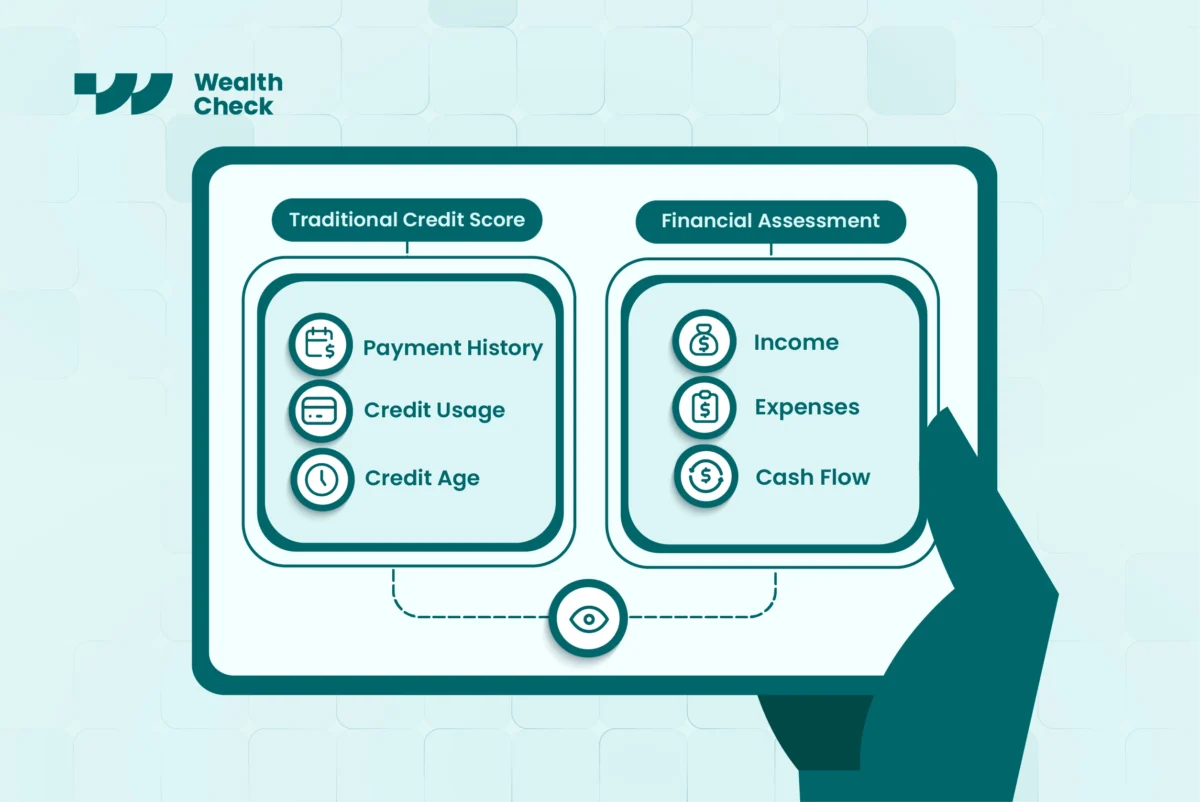
Financial decisions are no longer based only on past credit behaviour. In many cases, organizations need a more up-to-date view of someone’s financial situation, including their income, bank activity, payment behaviour, and affordability.
This gives lenders, landlords, and financial teams a clearer picture than a credit score range alone can provide. It can help them make faster decisions, reduce manual checks, spot affordability risks earlier, and better understand whether someone can realistically manage a new financial commitment.
For applicants, this also means they are not judged only by one number. A credit score still matters, but real income, existing obligations, and actual payment behaviour can add important context.
How Often Does Your Credit Score Change?
Your credit score can change whenever new information is added to your credit report. Many lenders report account updates monthly, but timing can vary.
Scores may move when you:
- Make or miss a payment
- Pay down credit card balances
- Open or close an account
- Apply for new credit
- Resolve a collection
- Increase or decrease revolving debt
Small monthly changes are normal. But if you suddenly start wondering why your credit score dropped, check for missed payments, higher credit card balances, new credit applications, closed accounts, or unfamiliar activity on your report.
Final Thoughts: Beyond Your Credit Score Range
Understanding the credit score range gives you more than a label. It helps you see how lenders, landlords, and financial institutions may interpret your financial profile.
A score from 300 to 850 can place you in Poor, Fair, Good, Very Good, or Excellent territory. That category can affect approvals, rates, credit limits, and housing applications. But the score alone does not always explain whether someone can manage a new financial obligation.
The strongest financial decisions combine credit history with present reality. A credit score shows part of the picture. Income, affordability, obligations, and payment behaviour complete it.
WealthCheck helps organizations move beyond a narrow credit score view by integrating verified income data, bank insights, affordability signals, and repayment behaviour into a single real-time assessment. For businesses that need smarter risk decisions, that broader view can make credit, rental, and affordability checks more accurate, efficient, and fair.
Credit Score Range FAQs
Why Can Two People With the Same Credit Score Receive Different Lending Decisions?
A credit score is only one part of the decision. Lenders may also review income, existing debt, affordability, employment stability, cash flow, and recent financial activity. Two applicants with identical scores can present very different levels of financial risk once those factors are considered.
Do Lenders Look at Anything Besides a Credit Score?
Yes. Most lenders evaluate additional information such as income, debt-to-income ratio, current financial obligations, assets, and affordability. Many organizations now combine credit data with real-time financial information to gain a more complete understanding of an applicant’s financial situation.
Can a High Income Compensate for a Lower Credit Score?
Sometimes. A high and stable income can strengthen an application, especially when a lender also evaluates affordability and repayment capacity. However, income does not automatically offset serious credit issues such as recent defaults, collections, or repeated missed payments.
What Happens if I Have Little or No Credit History?
A limited credit history can make traditional credit assessments more difficult because lenders have less information to evaluate. In these situations, alternative indicators such as verified income, bank transaction data, affordability, and payment behaviour may help provide additional context.
How Do Affordability Checks Differ From Traditional Credit Score Assessments?
A credit score focuses primarily on historical credit behaviour. An affordability check focuses on whether a person can realistically manage a new financial commitment today. It typically considers income, expenses, existing obligations, and disposable income rather than relying solely on past credit activity.